
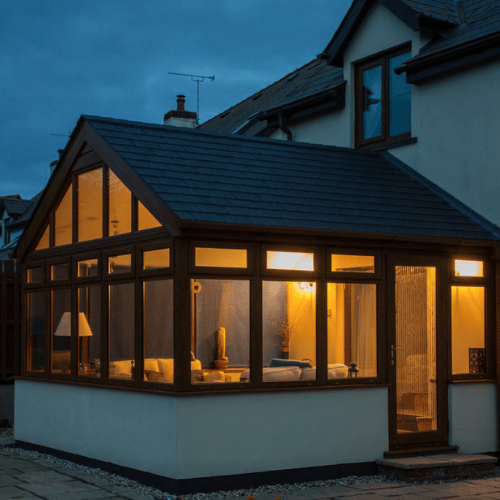
One of the quickest ways to transform an existing conservatory is to replace the conservatory roof with a solid roof or tiled roof. If your current glass conservatory suffers from overheating in summer and poor insulation in winter, a roof replacement can solve both problems in a matter of days.
At Pure Conservatories, we use the LEKA system to replace old glazed roofs with a lightweight, insulated solid roof. The result is a space that feels like a proper home extension rather than a bolt-on afterthought. Insulation values improve dramatically, which boosts thermal efficiency and makes the room comfortable year-round. You keep the natural light through your existing windows and doors, but the temperature stays steady regardless of the season.
Our replacement roofs come with a 10-year guarantee, so you can be confident you’re making a sound investment. For homeowners who already have a conservatory but rarely use it, this is the most cost effective alternative to knocking the whole structure down and starting again.
Looking for a quote for conservatory roof replacement?
We are based in Wirral and serve surrounding areas including Liverpool, Chester and North Wales
Call us or send an enquiry to book a free no-obligation consultation
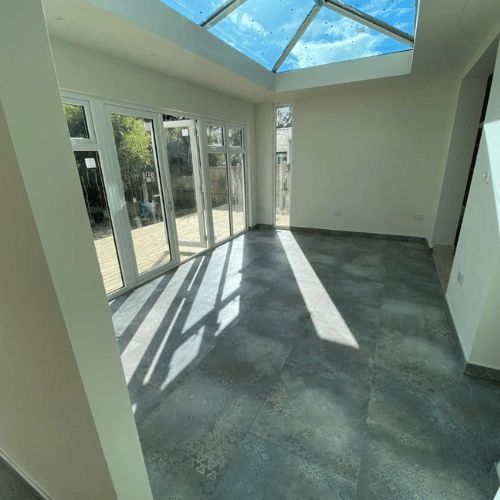
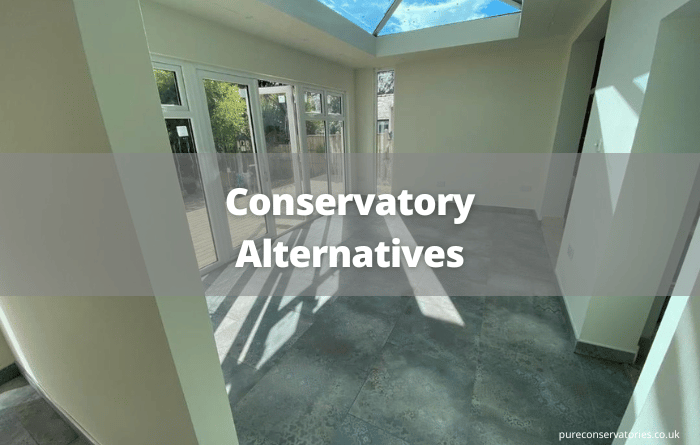
An orangery sits somewhere between a conservatory and a full house extension. It combines solid brick walls with large areas of glazing and a flat roof lantern that floods the interior with natural light and fresh air when the windows are open. The blend of solid construction and glass gives an orangery better insulation than traditional conservatories, which means the space stays warm in winter without running up your heating bills.
Orangeries originally appeared in 17th-century Britain as fashionable rooms for growing citrus fruit. Today, they’re used as dining rooms, living areas or stylish entertaining spaces. Because the walls are partly solid brick, an orangery feels more like a permanent part of the house than a glazed extension bolted onto the side of a house.
If you’re looking for a home improvement that adds real value to your home while giving you an additional room filled with light, an orangery is hard to beat. The only downside is cost. An orangery typically costs more than a conservatory, but many homeowners find the improved energy efficiency and year round comfort more than justify the extra spend.
A garden room is one of the most versatile alternatives to a conservatory. Unlike a conservatory, which is attached to your house, a garden room sits independently in your garden and can serve as a dedicated home office, a place to work from home, a garden studio, a playroom or a guest bedroom.
Modern garden room designs use double glazed windows, uPVC windows and doors, and high-quality insulation to keep the temperature inside your garden room comfortable in every season. Many garden room conservatory alternative models, including brands like Addroom and Dunster House, are supplied in ready-made sandwich panels for quick, modular construction. Some even offer a DIY installation option, which can cut costs further.
A garden room can be tailored to your needs. You choose the size, the layout, the roof style and the finish. If you have a large garden and want a new space that doesn’t require planning permission in most cases, a garden room is a genuinely practical and cost effective choice. Addroom garden room and modular addroom options, in particular, have made this type of garden building more accessible than ever, with addrooms now available in a wide range of sizes and specifications.
As a garden room conservatory alternative, this option also adds value to your home by increasing usable square footage without the disruption of a full building project.
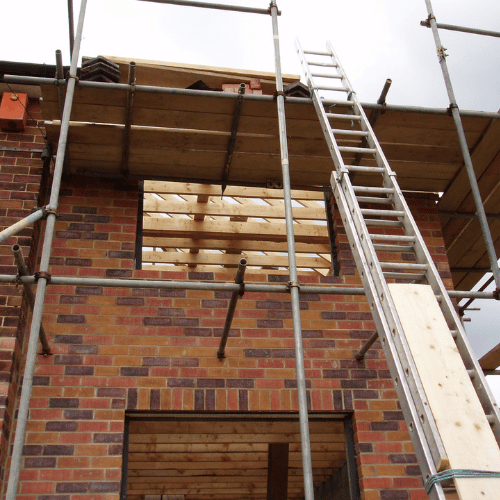
If budget allows, a full house extension offers the most flexibility of any option on this list. An extension can provide extra space in your home in almost any configuration. You can build a single-storey rear extension, a two-storey side return, a kitchen extension, or a wrap-around that combines multiple rooms under one new roof.
Unlike a conservatory, a brick extension uses solid walls with cavity insulation, double glazed windows and a solid or modern flat roof. This means the insulation performance is on par with the rest of your home, and the new room blends seamlessly with the existing structure. Rear house extensions and flat roof extensions are designed to sit flush against the back of the property, creating a living space to your home that feels like it was always there.
Adding an extension is the most expensive way to add space to your home, and you’ll usually need planning permission for anything beyond permitted development limits. But the payoff is significant. A well-designed extension adds serious value to your home, gives you a permanent extra living space, and can be built over multiple floors if you need an additional room upstairs as well.
Whether you’re after a glazed extension flooded with natural light or a solid brick home extension with wide opening French doors onto the garden, extensions are designed to match your property’s existing character. A modular extension is another emerging option for homeowners who want faster build times and less disruption.
Looking for a quote for conservatory roof replacement?
We are based in Wirral and serve surrounding areas including Liverpool, Chester and North Wales
Call us or send an enquiry to book a free no-obligation consultation
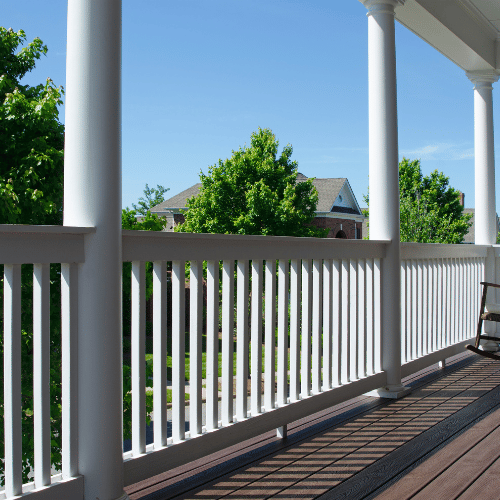
A veranda is a roofed, open-sided structure that typically runs along the front or side of a house. It won’t give you a fully insulated living space like a conservatory or extension, but it creates a sheltered outdoor area that bridges the gap between indoors and out.
Verandas work particularly well for homeowners who enjoy spending time outside but want some protection from the British weather. Equip a veranda with comfortable furniture and good lighting, and it becomes a genuine extension of your living area for much of the year.
Because a veranda is open-sided, it usually falls outside the scope of planning permission. It’s also one of the most affordable ways to add usable space to your home, making it a strong option if you want to improve your property without the cost of a full extension or conservatory.
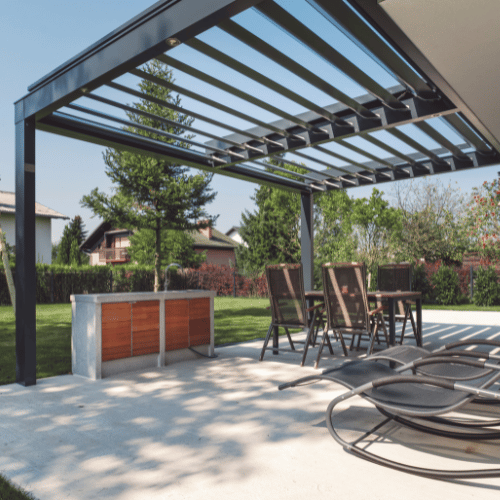
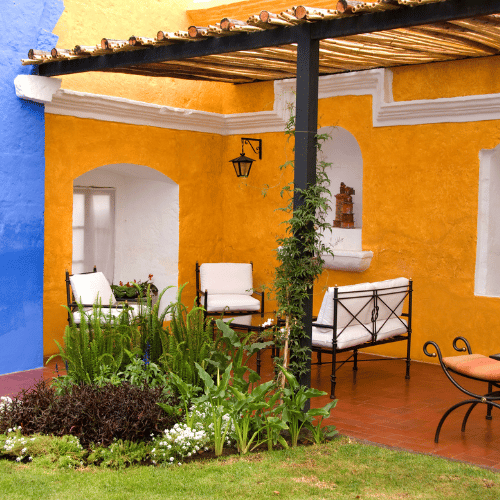
A pergola or canopy is one of the simplest ways to create a defined outdoor living space without building a full extension. Positioned over a patio, a driveway or even a front entrance, a pergola provides shade and shelter while keeping an open, airy feel.
You can dress a pergola with climbing plants, outdoor lighting or retractable canopies to add privacy and character. For homeowners who want to make the most of their garden without the commitment of a conservatory or garden room, a pergola is a low-cost, low-maintenance option that still transforms how you use your outdoor space.
Looking for a quote for conservatory roof replacement?
We are based in Wirral and serve surrounding areas including Liverpool, Chester and North Wales
Call us or send an enquiry to book a free no-obligation consultation
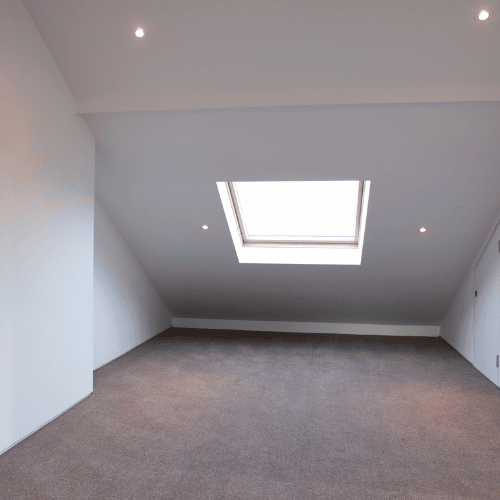
Before looking outward, it’s worth checking whether you already have unused space inside your home that could become a new room. Garages, attics and basements are prime candidates for conversion, and the work often costs less than building a conservatory or extension from scratch.
Key considerations include structural integrity, damp-proofing, insulation, heating and ventilation. You’ll also need to think about how natural light enters the space. Roof windows in an attic conversion or uPVC windows in a garage conversion can make a dramatic difference to how the room feels.
A conversion won’t give you the same connection to the garden that a conservatory or garden room provides, but it’s an efficient way to add an extra room without extending your property’s footprint. For many homeowners, it’s the most practical way to add living space to your home.
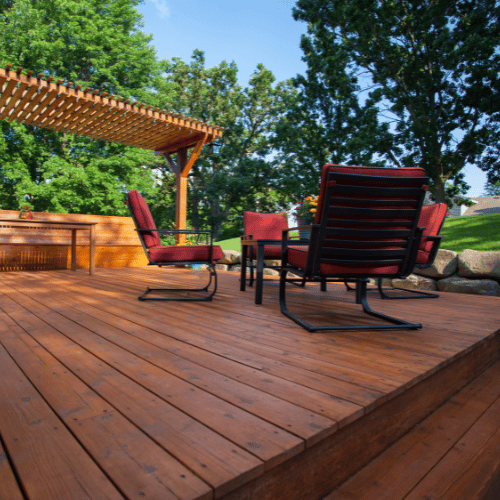
As the weather warms up, a well-designed deck or patio can feel like the best room in the house. It’s not an enclosed extension or conservatory, but it does create a usable outdoor space that adds real lifestyle value.
Think about furniture placement, privacy screening and shade when planning your layout. A south-facing patio with a retractable awning can be used from spring right through to autumn, and it’s one of the most affordable home improvements you can make.
For homeowners who want to enjoy the outdoors without building a full conservatory or extension, a deck or patio is a simple, effective addition to your home.
Looking for a quote for conservatory roof replacement?
We are based in Wirral and serve surrounding areas including Liverpool, Chester and North Wales
Call us or send an enquiry to book a free no-obligation consultation

If building an extension or conservatory isn’t practical right now, bringing greenery indoors is a simple way to capture some of that conservatory feel. A windowsill herb garden, a collection of houseplants in a bright corner, or a more ambitious indoor planting scheme can lift any room.
Plants improve air quality and create a more relaxing atmosphere. If you have a room with good natural light, especially one with double glazed windows that hold warmth, you can grow herbs, trailing plants and even small fruit varieties through the colder months.
An indoor garden isn’t a substitute for extra living space, but it’s a quick, affordable way to bring the outdoors in while you plan a bigger project.
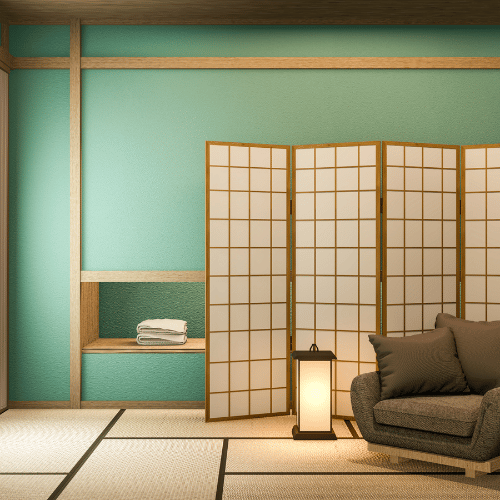
Sometimes the answer isn’t adding a new space at all. A well-placed curtain or freestanding room divider can carve a single large room into distinct zones, giving you a sense of having an additional room without any building work.
This approach works especially well in open-plan living areas, conservatories or garden rooms where you want to separate a work area from a relaxation zone. Curtains come in countless fabrics, colours and patterns, while folding screens and shelving units double as both dividers and storage.
It’s the simplest and cheapest option on this list, but for homeowners who need quick customisation rather than a full extension, it can be surprisingly effective.
A conservatory is usually cheaper than a full brick extension. A standard conservatory can cost anywhere from £5,000 to £20,000 depending on size and specification, while a house extension typically starts at £20,000 and can climb well beyond that. However, a conservatory with a solid roof and proper insulation can close the gap in terms of comfort and usability. If you want to add a conservatory that feels like a genuine extension to your home, replacing the roof with a tiled or solid option is a smart middle ground.
It depends on what you value most. An orangery offers better insulation, a more solid feel and a classical appearance that can add more value to your home than a standard conservatory. The mix of solid walls and glazing means you get plenty of natural light without the temperature swings that affect many traditional conservatories. On the other hand, a conservatory generally costs less to install and still provides a bright, airy new space. The right choice comes down to budget and personal preference.
No. Because an orangery uses a combination of solid brick walls and glazed panels rather than a primarily glass structure, it typically costs more to build than a conservatory. However, the better insulation and solid construction mean an orangery is likely to add more long-term value to your home. If you’re weighing up the two options, think of an orangery as a higher upfront investment that pays back over time through lower heating costs and stronger resale appeal.
Most conservatories and single-storey rear extensions fall within permitted development rights, which means you won’t need formal planning permission. However, there are limits on size, height and proximity to boundaries. Larger projects, two-storey extensions and properties in conservation areas will usually require a full planning application. A garden room placed in your garden is often exempt too, provided it meets certain criteria. It’s always worth checking with your local authority before starting any work.
We are based in the Wirral but serve the surrounding areas. See the following pages for more details about our services and where we offer them:
If you are not in one of these areas please get in touch. These are our main focus areas but we’re happy to have a chat about working in your area.
Whether you replace your conservatory roof, invest in an orangery, build a garden room or commit to a full extension, there’s a solution for every budget and every property. The best choice depends on how much space you need, how you plan to use it, and how much you’re prepared to spend. Take the time to weigh up each option, and if you’d like advice on how to get the most from your existing conservatory, we’re here to help.

© 2026 Pure Ltd. All Rights Reserved.
Registered address: Pure Conservatories, 9 Harrison Close, Eastham, Wirral CH62 8FA | Tel: 0151 327 8095
Opening hours: Mon-Sat 8am to 8pm & Sun 9am to 6pm